Thinking about buying a rental property in Rockville Centre? It is easy to see the appeal. You get a well-known Nassau County village, commuter access, and a housing market with limited rental inventory. But this is also a place where the numbers, local rules, and property-specific details matter a lot. If you are considering an investment here, you need to look beyond the listing and understand how rent levels, permits, and legal requirements can shape your return. Let’s dive in.
Why Rockville Centre Gets Investor Attention
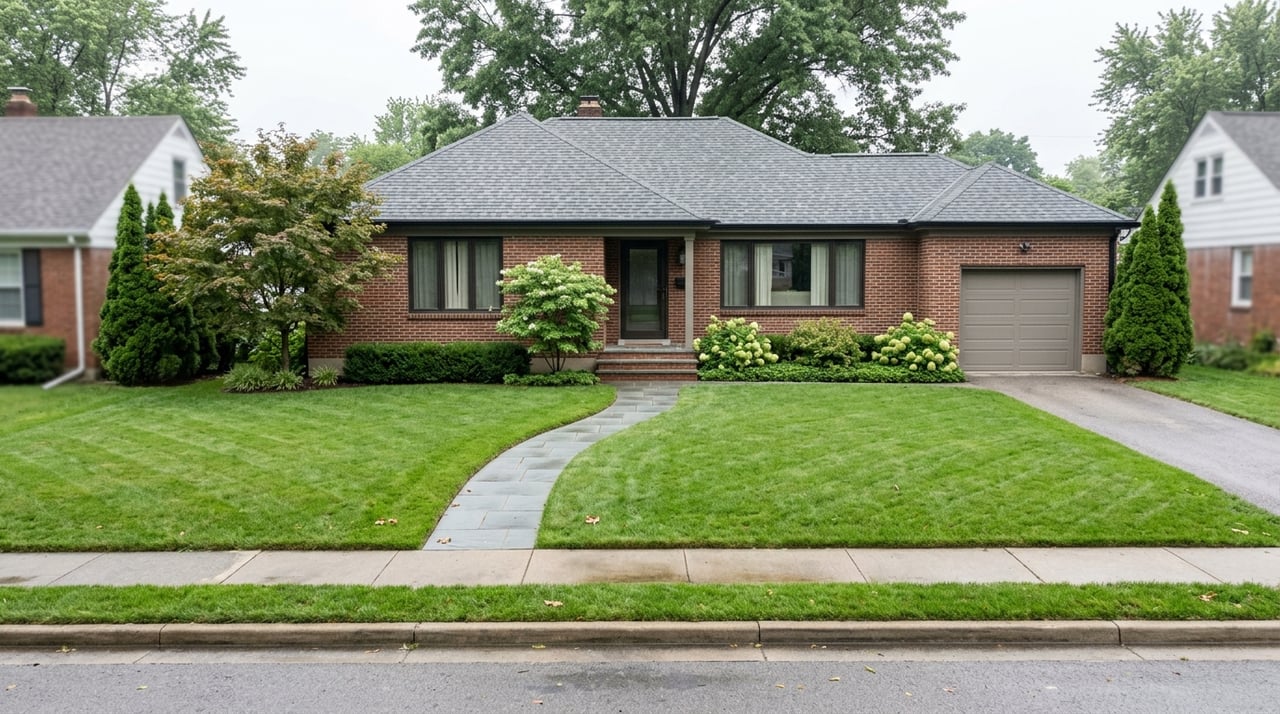
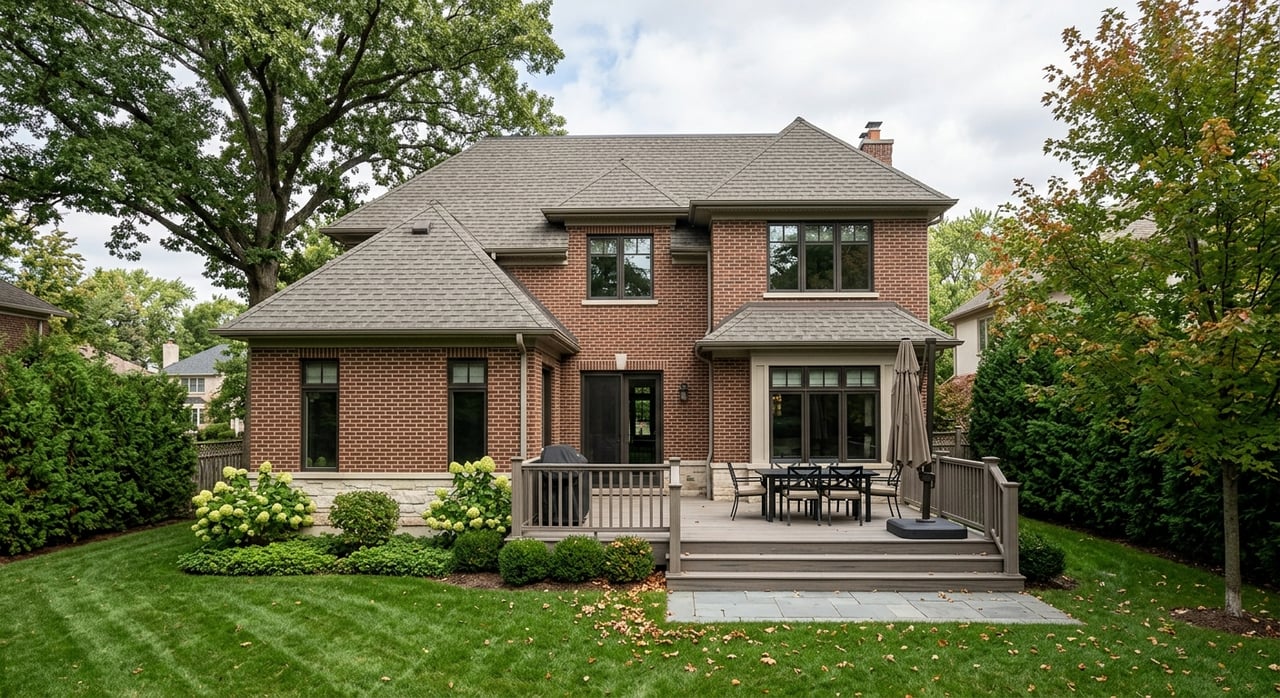
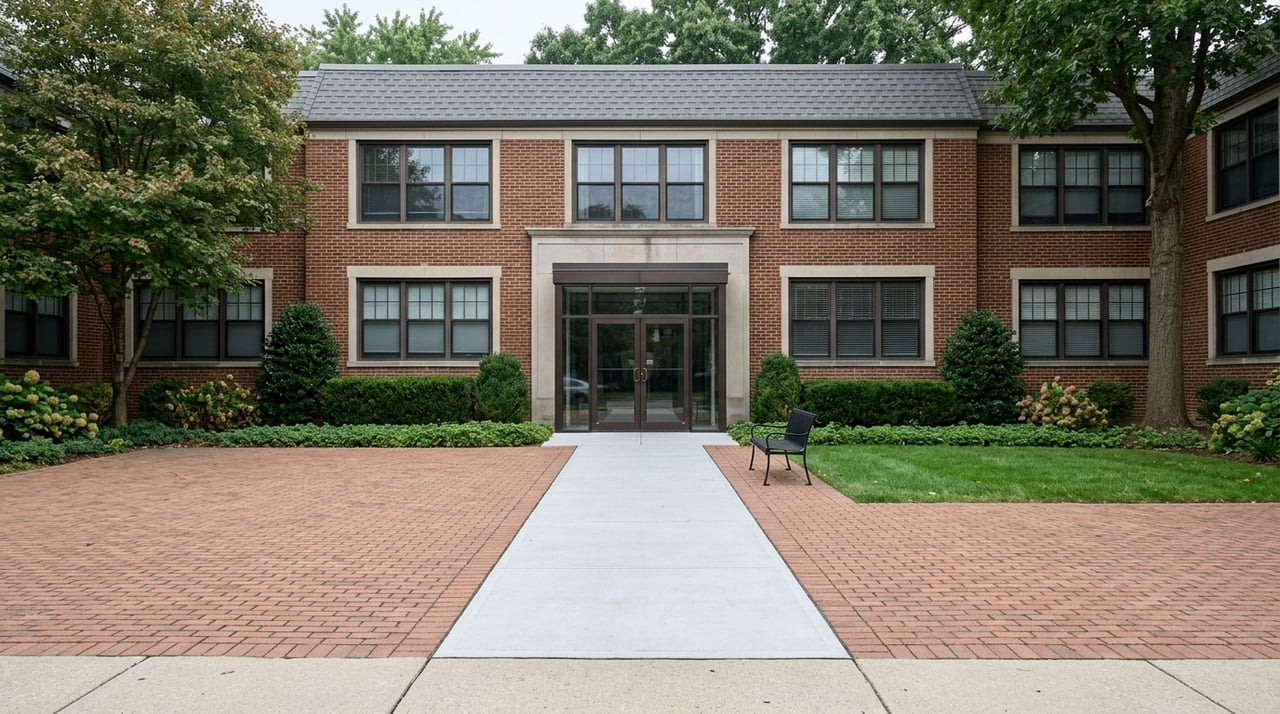
Rockville Centre is an incorporated village in southwestern Nassau County with a housing mix that is primarily one-family homes, along with some townhouses, condominiums, apartments, co-ops, and condos, according to the Village of Rockville Centre and village government information. That matters because the local inventory is not built around large-scale investor product. In many cases, you are evaluating smaller residential opportunities rather than a wide pool of conventional multifamily assets.
The area also benefits from commuter appeal. The Rockville Centre LIRR station sits on the Babylon Branch and is an accessible station, while the U.S. Census QuickFacts show a mean commute time of 37.3 minutes. For a rental owner, that can support demand from people who want access to transit and a stable residential setting.
At the same time, this is not a market you should approach casually. The village reports a 75.1% owner-occupied housing rate, which tells you Rockville Centre is still primarily an owner-occupied community rather than a rental-heavy one. That can be positive for long-term demand, but it also means suitable rental properties may be limited and highly property-specific.
Start With Village Boundaries
One of the first things to confirm is whether the property is actually inside the incorporated village. The village specifically notes that the 11570 ZIP code and village boundaries do not perfectly match. A property may carry a Rockville Centre mailing address without being within the village itself.
That distinction matters because village rules, permits, and local oversight may apply differently based on location. Before you underwrite a deal, verify the address and governing jurisdiction. It is a simple step, but it can save you from making assumptions about rental requirements.
Know the Rental Numbers
If you are buying for income, rent expectations need to be realistic. As of April 17, 2026, Zillow’s Rockville Centre rental trends show an average asking rent of $2,750, with asking rents ranging from $2,025 to $7,000 and only 17 active rentals.
Zillow also shows bedroom-level asking rents of:
- $2,425 for one-bedroom units
- $2,900 for two-bedroom units
- $4,200 for three-bedroom units
- $7,000 for four-bedroom units
These figures can help you estimate current asking rents, but they are not the same as closed lease data or long-term historical performance. They are one lens on the market.
A second lens comes from the Census QuickFacts data, which lists the village’s median gross rent at $1,881 and median monthly owner costs with a mortgage at $4,000+. Put those numbers together, and a clear takeaway emerges: Rockville Centre may be better suited to buyers with a longer-term plan than buyers looking for easy turnkey cash flow.
Cash Flow Can Be Tight
This is one of the most important realities to understand before you buy. In Rockville Centre, purchase costs can outpace rent income more easily than buyers expect. Even with solid demand, a rental property may not generate strong immediate cash flow unless you structure the purchase carefully.
That is why this market may make the most sense for:
- Buyers making a meaningful down payment
- House-hackers living in part of the property
- Investors with a value-add strategy
- Buyers focused on long-term appreciation and stable demand rather than quick monthly spread
If your goal is simple, high-margin, low-management income from day one, Rockville Centre may feel challenging. If your goal is to own in a commuter-oriented, supply-constrained market and you are prepared for tighter underwriting, it may be worth a closer look.
Verify the Certificate of Occupancy
When you find a property you like, do not stop at the basic condition or layout. You need to confirm whether the property has the proper certificate of occupancy and whether the intended rental use is lawful.
The Rockville Centre Building Department handles construction permits, certificates of occupancy and completion, and code compliance inspections. For an investor, this is critical. A property that looks rentable is not necessarily approved for the use you have in mind.
This is especially important if the home has been altered over time, includes a finished lower level, or appears to have a separate living area. Your underwriting should be based on legal use, not assumed use.
Understand the Rental Permit Requirement
Rockville Centre’s rental-dwelling code is one of the biggest issues rental buyers need to understand upfront. Under the village rental-dwelling code, it is unlawful to occupy or offer a residential dwelling unit for rent without first registering the unit and obtaining a rental permit.
The application must include certificate-of-occupancy documentation and emergency contact information. The permit is valid for two years, and the Superintendent can deny a permit or renewal if there is an existing code violation related to safe residential use.
That has real investment implications. If a property has unresolved issues, you may face delays, added costs, or limits on your ability to legally lease the unit. This is why permit and code review should happen early, not after closing.
Check for Rent Stabilization
Another major step is determining whether the unit is subject to rent stabilization under Nassau County’s ETPA rules. According to New York State Homes and Community Renewal, rent stabilization outside New York City is also known as the Emergency Tenant Protection Act.
HCR states that rent stabilization generally covers buildings built between 1947 and 1974, along with some newer buildings receiving certain tax benefits. For leases beginning October 1, 2025 through September 30, 2026, Nassau County’s ETPA guideline is 2.00% for one-year leases and 3.00% for two-year leases.
If you are unsure whether a building or apartment is exempt, HCR provides Form RS-3 for that determination. For buyers, this step is essential because rent regulation can directly affect your income assumptions, renewal strategy, and long-term projections.
Budget for Landlord Responsibilities
Owning rental property in New York means more than collecting rent. You also need to budget for legal and operational obligations from the start.
The New York Attorney General’s tenants’ rights guide explains several key rules that matter to landlords. Security deposits are capped at one month’s rent, and landlords cannot require both last month’s rent and a security deposit. Deposits must be treated as trust funds, and buildings with six or more apartments must keep deposits in an interest-bearing account.
For non-regulated units, deposits must be returned within 14 days after move-out with an itemized receipt for deductions. The same guide also notes that landlords of multiple dwellings must keep apartments and common areas in good repair, maintain essential systems, and may not lock tenants out or shut off heat or water to force a move.
These are not small details. They affect your reserve planning, lease administration, and day-to-day ownership costs.
Follow Fair Housing and Lead Rules
Every rental owner also needs to operate within fair-housing and disclosure requirements. The village’s fair housing page lists protected classes including race, color, national origin, religion, gender, marital status, age, familial status, disability, and lawful source of income.
If you buy an older property, lead-based paint rules may apply as well. The research report notes that the EPA requires landlords and property managers of most pre-1978 housing to provide the lead-paint pamphlet and disclose known lead hazards before a lease is signed.
These requirements should be part of your leasing process from the beginning. Good systems help protect both you and your tenants.
A Practical Buying Checklist
Before you move forward on a Rockville Centre rental, make sure you can answer these questions:
- Is the property actually inside the incorporated Village of Rockville Centre?
- Does the property have the correct certificate of occupancy for its current layout and intended use?
- Is there a valid rental permit, or can one be obtained without unresolved safety-related violations?
- Is the unit rent stabilized, or is it exempt?
- Do the likely rents support your financing, taxes, insurance, maintenance, and reserves?
- Are you prepared for New York security deposit, repair, habitability, and lease compliance rules?
- If the home was built before 1978, do you understand the lead disclosure requirements?
This checklist will not replace legal or financial advice, but it will help you ask better questions before you commit.
Is Rockville Centre Right for You?
Rockville Centre can make sense if you want a commuter-oriented location, limited active rental supply, and a residential market with long-term appeal. It may be especially attractive if you are a small investor or buyer planning to live in part of the property while offsetting costs.
It may be less appealing if you are looking for an easy, plug-and-play rental with strong cash flow from day one. Between owner costs, permit requirements, and possible rent regulation, this is a market where careful due diligence matters.
The good news is that a smart purchase starts with the right local guidance. If you are exploring rental property opportunities in Rockville Centre or the surrounding South Shore, Theresa Brown can help you evaluate the location, property type, and practical next steps with a clear, local perspective.
FAQs
What should you verify before buying a rental property in Rockville Centre?
- You should confirm the property is inside the incorporated village, verify the certificate of occupancy, check whether a rental permit exists or can be issued, and determine whether the unit is rent stabilized or exempt.
How much can you rent out a property for in Rockville Centre?
- As of April 17, 2026, Zillow reports an average asking rent of $2,750 in Rockville Centre, with bedroom averages ranging from $2,425 for one-bedroom units to $7,000 for four-bedroom units.
Do you need a rental permit for a Rockville Centre property?
- Yes. The village rental-dwelling code says it is unlawful to occupy or offer a residential dwelling unit for rent without first registering the unit and obtaining a rental permit.
Are Rockville Centre rental properties subject to rent stabilization?
- Some may be. HCR says rent stabilization in Nassau County can apply to certain buildings built between 1947 and 1974, as well as some newer tax-benefit buildings, so you should verify each property individually.
Is buying a rental property in Rockville Centre good for cash flow?
- It can be challenging for immediate cash flow because local owner costs can be high relative to rent levels, so the market may fit better for buyers with larger down payments, house-hacking plans, or a long-term strategy.