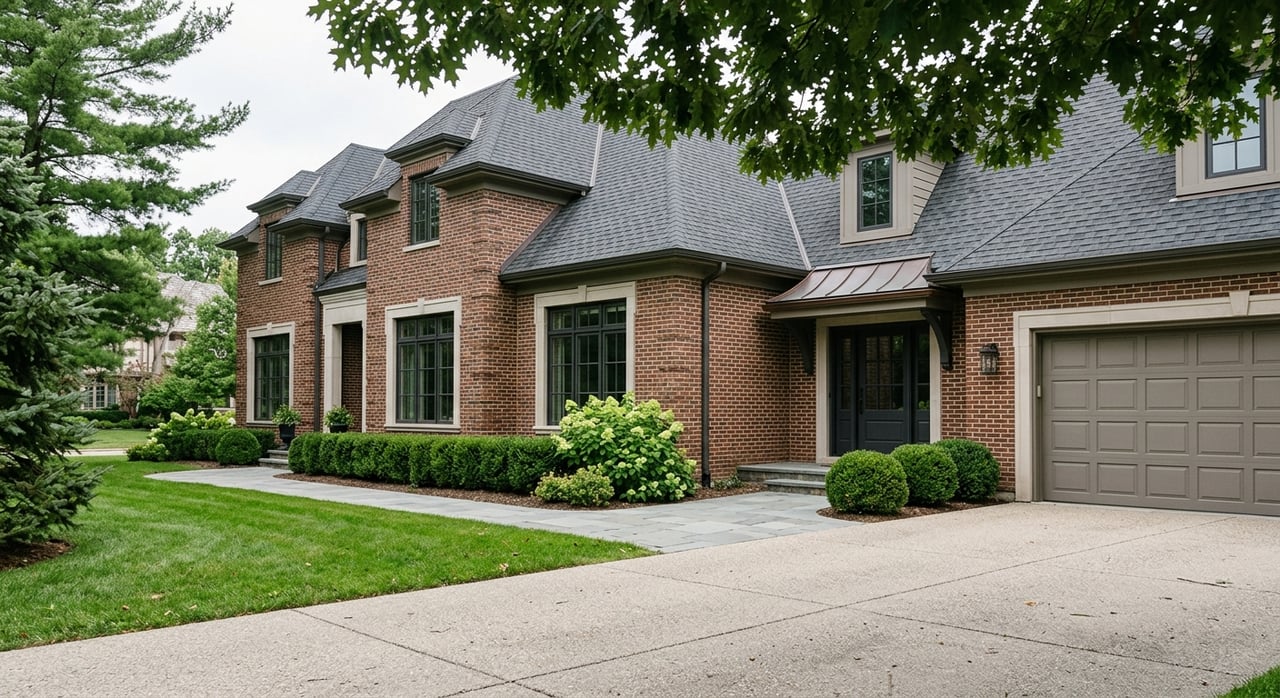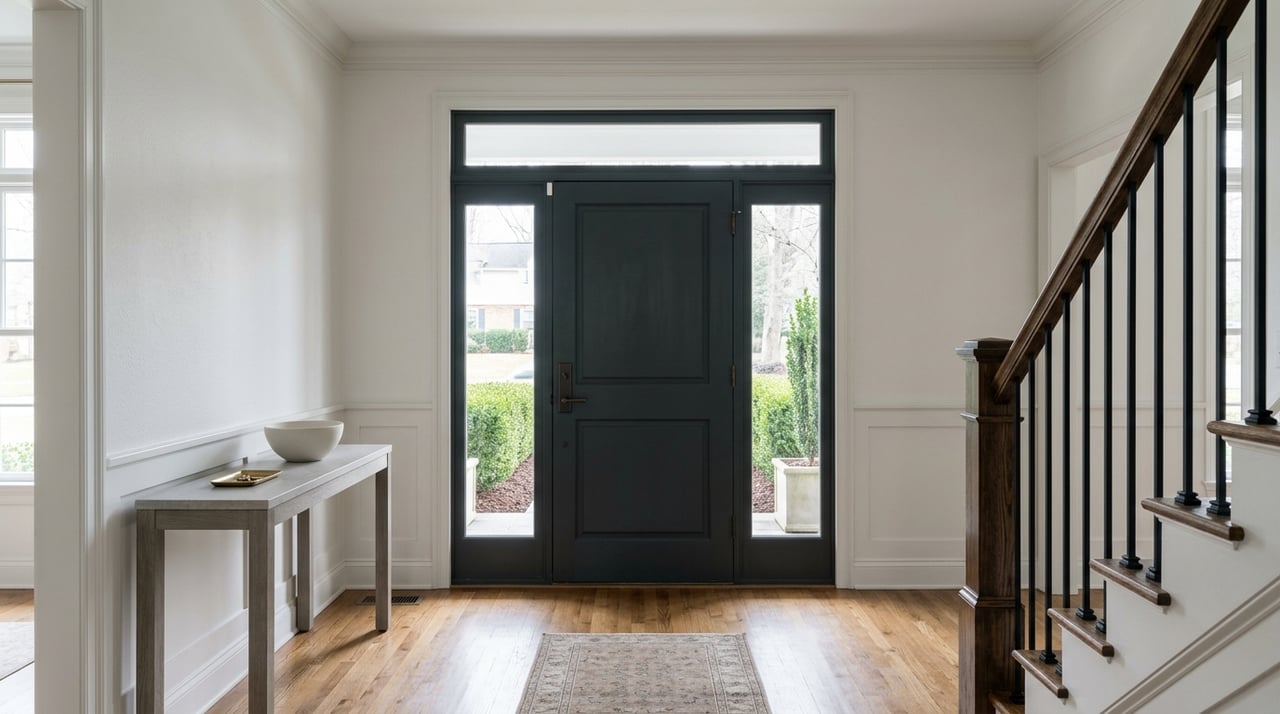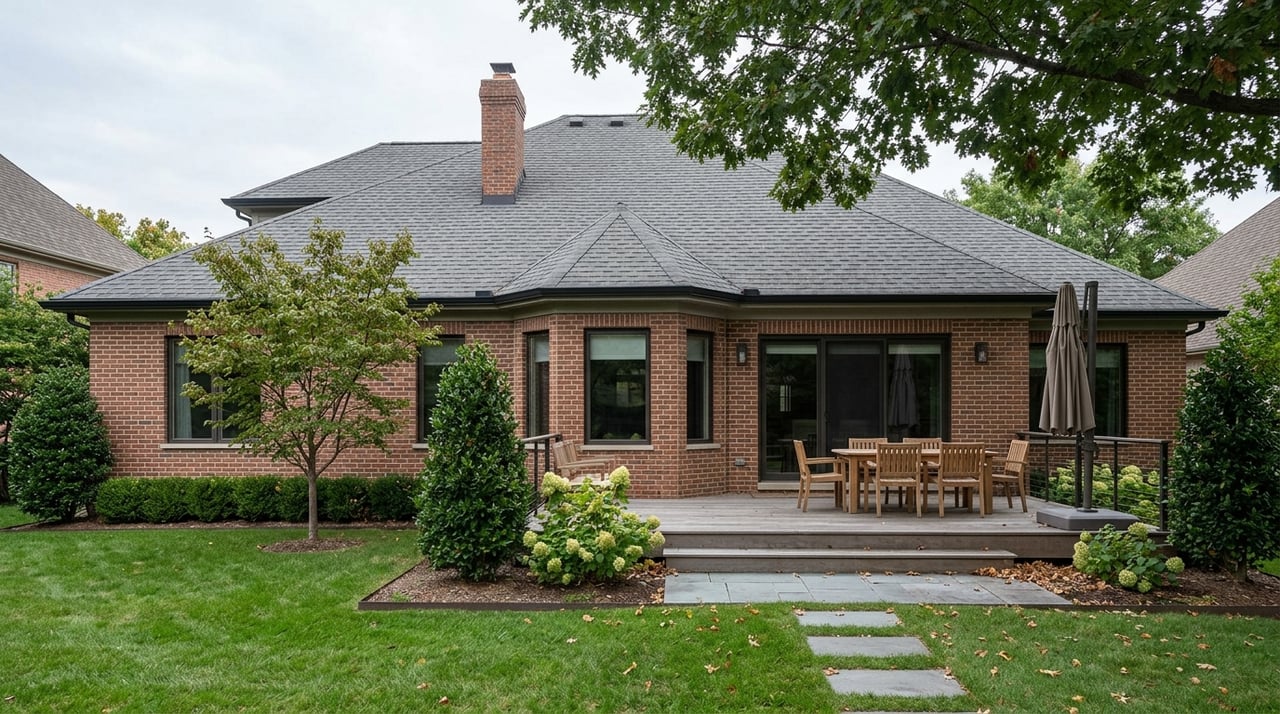
Wondering if it’s finally time to trade your current house for one that fits your life better? If you already love Rockville Centre, moving up can be exciting, but it can also feel complicated when home values, mortgage rates, taxes, and timing all matter at once. This guide will help you think through what really matters in your next move, from budget and layout to local logistics and lifestyle fit. Let’s dive in.
Why move-up buyers stay in Rockville Centre
For many buyers, the goal is not just getting a bigger home. It is finding a home that works better while staying connected to the community, routines, and convenience you already value. Rockville Centre continues to appeal to move-up buyers because it offers a mix of housing types, established residential areas, and practical access to local amenities.
The Village of Rockville Centre describes itself as the “Village of Homes” and notes a mix of single-family homes, co-ops, and condos shaped by decades of development. That variety can be a real advantage when you are trading up, because it gives you more ways to improve your space without leaving the area. You may be able to stay close to the people, places, and daily patterns that already make life easier.
For families who want to remain local, the Rockville Centre Union Free School District includes five elementary schools, one middle school, and one high school. The village also offers recreation programming and facilities through Parks & Recreation, the MLK Community Center, and the Sandel Senior Center. Add in the Rockville Centre LIRR station and nearby NICE bus connections, and it is easy to see why many buyers want a better-fit home here rather than a fresh start elsewhere.
Understand today’s Rockville Centre market
If you are moving up in Rockville Centre, you are likely buying and selling in a market that still favors well-positioned homes. Recent snapshots from Zillow, Redfin, and Realtor.com point to the same broad trend: activity remains solid, inventory is relatively tight, and desirable homes can move quickly.
As of late spring 2026, Zillow reported a typical home value of $989,236, with 67 homes for sale, 26 new listings, and a median of 27 days to pending. Redfin reported a median sale price of $748,552 over the prior three months, average days on market of 42, and 43.3% of homes selling above list price. Realtor.com described Rockville Centre as a seller’s market in May 2026, with homes selling in a median of 41 days and at about 99% of list price on average.
At the county level, OneKey MLS reported that Nassau County had 1,473 single-family homes in inventory in February 2026, with a median sales price of $850,000 and days on market of 54. That broader context supports what many local buyers are feeling on the ground: pricing has remained firm, and the right home may not sit for long. For move-up buyers, that means planning ahead matters.
Focus on fit, not just size
One of the biggest mistakes move-up buyers make is assuming more square footage automatically means a better lifestyle. In practice, your next home should solve the daily problems your current home does not solve. A larger footprint only helps if the layout, storage, and room flow actually work for how you live.
In Rockville Centre, where housing styles and floor plans can vary widely, it helps to evaluate homes by function first. A house with better circulation, more useful storage, or a smarter bedroom layout may improve your quality of life more than a larger home with awkward space. That is especially true if you are balancing work, family routines, guests, or hobbies under one roof.
Features worth prioritizing
When you tour move-up options, it helps to compare homes through the lens of daily use. A few high-value features often matter more than cosmetic updates alone.
- Functional layout: Look at how the kitchen, living areas, bedrooms, and entry points connect.
- Storage: Consider closets, pantry space, basement storage, attic access, and garage usability.
- Yard use: Think about outdoor play space, patio potential, privacy, and how easily the house connects to the yard.
- Office or flex space: A den, guest room, finished basement, or attic area may be more useful than a formal room you rarely use.
- Future adaptability: Ask whether the home can support changing needs over time.
Build your budget around the full picture
When you move up, list price is only one part of the decision. A better way to evaluate affordability is to compare your expected sale proceeds with the true monthly and upfront cost of the next home. This is the net-sheet mindset, and it helps you avoid being surprised by costs that go beyond the purchase price.
Mortgage rates are still a major factor. Freddie Mac reported an average 30-year fixed rate of 6.49% and an average 15-year fixed rate of 5.84% as of June 25, 2026. Fannie Mae’s June 2026 forecast put the 30-year fixed average at 6.3% for the year overall, so payment planning remains important for anyone trading up.
Before you commit, test several payment scenarios. Make sure the larger home still leaves room in your budget for taxes, insurance, utilities, maintenance, savings, and closing costs. If you are using proceeds from your current home sale, estimate those proceeds carefully instead of assuming your equity will stretch as far as you hope.
Don’t overlook STAR and taxes
For New York homeowners, school-tax budgeting deserves close attention. New York State says the Basic STAR credit is available to owner-occupied primary residences with a combined income of $500,000 or less, and STAR applies only to school taxes. The old STAR exemption is closed to new homeowners, so you should not assume a prior benefit transfers automatically.
If your new property will become your primary residence, register for STAR as soon as you are eligible. That step can make a meaningful difference in your school-tax planning. It is a small administrative detail, but it matters when you are calculating your real monthly carrying cost.
Plan for renovations before you buy
Sometimes the best move-up home is not perfect on day one. It may be the house with the right location, lot, and structure, plus the potential to improve over time. That can be a smart strategy, but only if you plan for the added cost and timeline upfront.
If you expect to renovate, your budget should include more than construction expenses alone. You may also need to account for permit timing, approval periods, temporary housing if work is extensive, and a reserve for surprise repairs. In a fast-moving market, buyers sometimes stretch too far on the purchase itself and leave too little flexibility for what comes next.
The Village of Rockville Centre notes that the Board of Zoning Appeals, Planning Board, and Architectural Control Board may review variances, land use matters, and major renovations. If your plan depends on an addition or substantial change, approvals can affect timing. It is wise to understand those possibilities before you rely on future expansion as part of the home’s value to you.
Check flood and drainage early
Flood and drainage questions should be part of your early due diligence, not something you leave until the end. This is especially important if you are considering lower-level living space, a finished basement, or a property in an area where water risk may be a concern.
FEMA identifies its Flood Map Service Center as the official source for flood hazard information and notes that standard homeowners policies generally do not cover flood damage. That means a home’s flood zone and any related insurance needs can affect both your monthly costs and your comfort level with the property. For move-up buyers, this can be just as important as bedroom count or finishes.
A house that looks perfect on paper may carry a different long-term cost profile once flood insurance, drainage work, or water management concerns enter the picture. Asking these questions early helps you compare homes more accurately. It also helps you avoid rushing through a key risk factor just because the market is competitive.
Decide whether to buy first or sell first
This is one of the most common move-up questions, and the right answer depends on your finances, risk tolerance, and available inventory. In a market where homes can move quickly, both choices have tradeoffs. The key is understanding which challenge you would rather manage.
Selling first can give you a clearer picture of your proceeds and a firmer budget for the next purchase. Buying first can help you avoid feeling rushed if you are worried about finding the right replacement home. The right path often comes down to how much flexibility you have with timing, temporary housing, and carrying costs.
Because Rockville Centre remains a relatively active market, preparation matters either way. If you are serious about moving up, it helps to know what your current home could realistically sell for and what your likely monthly payment range looks like before you start making offers.
Compare homes with a practical checklist
When several homes seem close on paper, a simple checklist can help you focus on what matters most. This keeps you from getting distracted by staging or cosmetic details that may not improve daily life.
Smart questions to ask yourself
- Does this home solve the main problems of my current one?
- Is the layout better, or just bigger?
- How well would the outdoor space work for everyday use?
- Is there a realistic office or flex-space solution?
- What will taxes, insurance, and utilities likely feel like each month?
- If updates are needed, can I handle the timing and cost?
- Do commute and parking logistics work for my routine?
That last point matters more than many buyers expect. The MTA station parking document for Rockville Centre notes that station parking is operated by the village and requires resident permit parking. If rail access is a major reason you want to stay local, everyday logistics deserve a place on your must-have list.
Work with a strategy, not just a wish list
A successful move-up is usually less about finding the largest house available and more about matching your sale, purchase, and lifestyle goals into one smart plan. In Rockville Centre, where market pace, taxes, commute details, and housing variety all shape the decision, strategy can make the process feel far more manageable.
That means looking at your current equity, your true monthly comfort zone, your must-have features, and your willingness to renovate or compromise. It also means staying grounded in local facts instead of reacting to broad headlines. When you approach the move with a clear framework, it becomes easier to spot the right opportunity when it appears.
If you are thinking about trading up in Rockville Centre, working with a local agent who understands both the neighborhood and the timing challenges can make a real difference. If you want help weighing your current home’s value, your next-step budget, and the best plan for your move, connect with Theresa Brown for personalized guidance.
FAQs
How much equity do you need to move up in Rockville Centre?
- You need enough equity to cover your down payment goals, closing costs, and the gap between your current home sale proceeds and the full cost of your next purchase.
Is it better to buy first or sell first in Rockville Centre?
- It depends on your finances and timing, but selling first can give you a clearer budget while buying first may offer more control if inventory is tight.
Which features matter most in a Rockville Centre move-up home?
- The most important features are usually layout, storage, yard function, office or flex space, and how well the home supports your daily routine.
How do mortgage rates affect a move-up purchase in Rockville Centre?
- With 30-year fixed rates still in the mid-6% range in 2026, rates can significantly affect your monthly payment and should be tested in multiple budget scenarios.
How does STAR affect taxes on a new Rockville Centre home?
- Basic STAR may reduce school-tax costs for eligible owner-occupied primary residences, but new homeowners need to register and should not assume a prior benefit transfers automatically.
Should you check flood zone status before buying in Rockville Centre?
- Yes, especially if you are considering a basement or lower-level living space, because flood risk and insurance can affect both monthly costs and long-term comfort with the home.
Do renovations in Rockville Centre require village approvals?
- Some major renovations, land use changes, or variance requests may require review by village boards, so approval timing should be part of your planning.