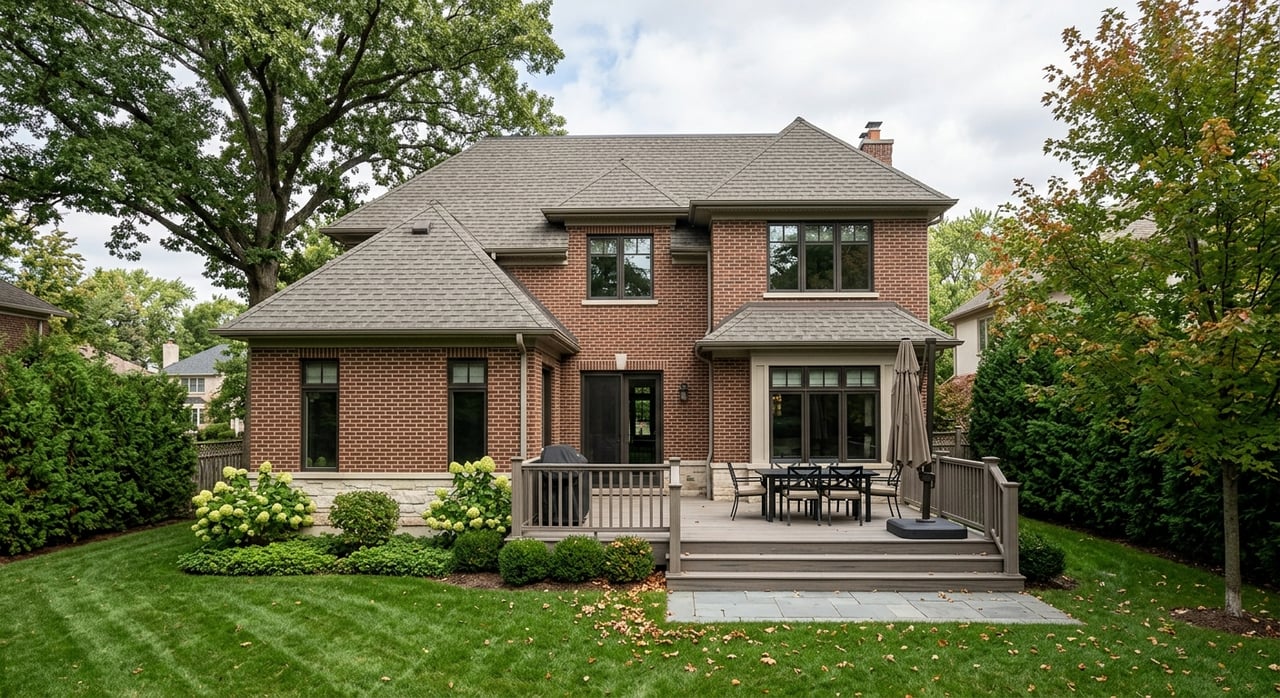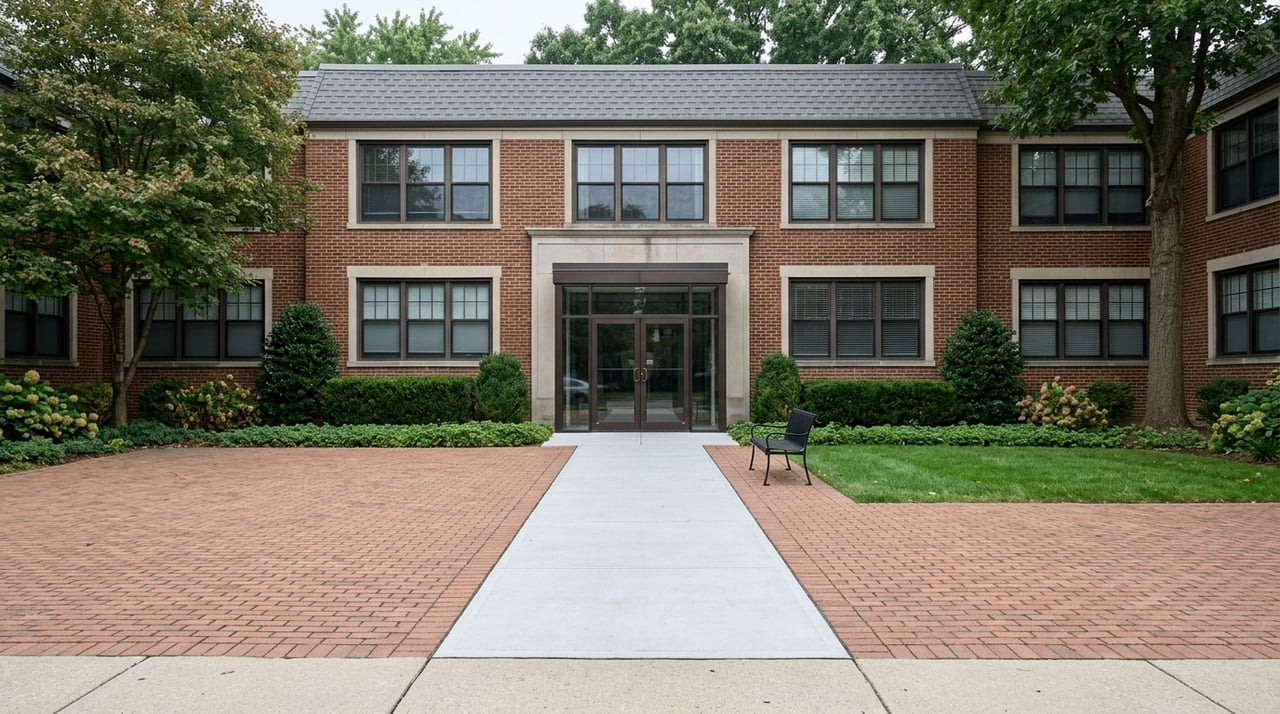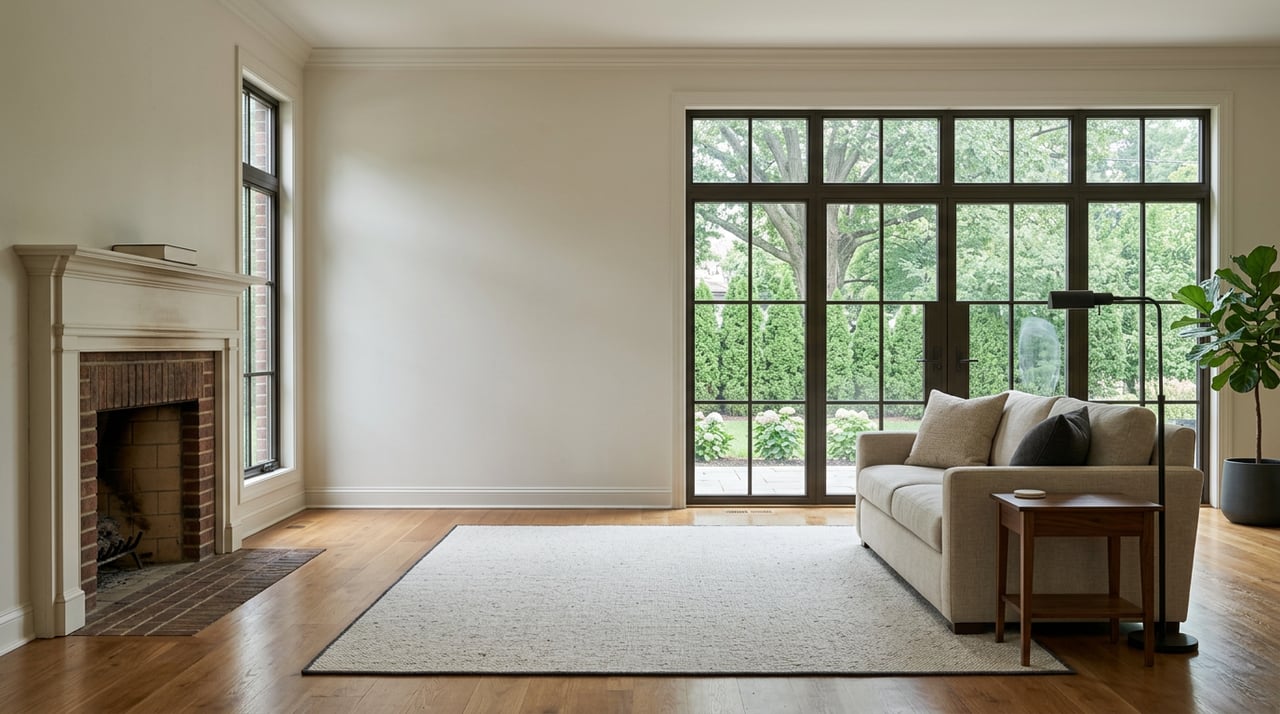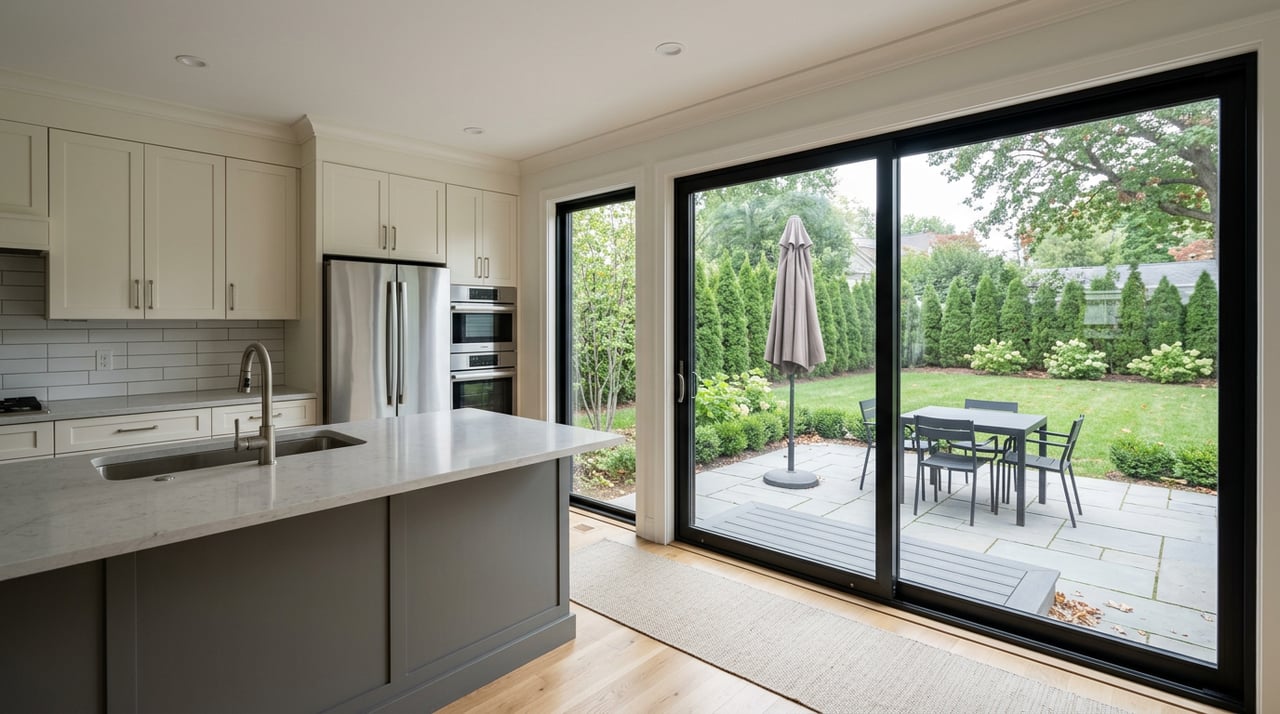
Picture this: a tree-lined block, a classic Colonial with just the right yard, and a quick hop to the LIRR. If you are eyeing a single-family home in Rockville Centre, you are likely balancing price, space, commute, and the question of what work a home may need. You want clear, current numbers and local context so you can move confidently. In this guide, you will learn today’s price ranges, what your budget buys, typical taxes and costs, renovation and permit basics, and offer strategies that fit Rockville Centre right now. Let’s dive in.
Rockville Centre market in early 2026
If you look at more than one data source, you will see different medians. That is normal in a small market with varied homes.
- Redfin shows a median sale price around $1,225,000 as of February 2026. Keep in mind that a few higher-priced closings in a given month can shift this figure. See Redfin’s city market page.
- Zillow’s typical home value (ZHVI) is about $939,550, with data through February 28, 2026. Check Zillow’s value index.
- Realtor.com’s recent snapshot showed a median listing price near the mid-$800,000s and a median price per square foot near the high $400s as of January 2026. Inventory at that time was in the mid-60s for active listings. You can review current listing trends on Realtor.com’s Rockville Centre market page.
Days on market also vary by source and by property. Some data show roughly 80 days on market for listings as of January 2026, while recent closed sales can report faster sell times, especially for well-priced, updated homes near the LIRR or downtown. Expect pace to depend on the block, price point, and condition.
Price bands to focus your search
- Entry and smaller/older houses: often under about $800,000, especially if the home needs updates.
- Core move-up homes: roughly $800,000 to $1.25 million for 3–4 bedroom Colonials, Capes, or Tudors with modest yards and updates.
- Premium and renovated properties: $1.25 million and up, often larger lots, expanded floor plans, or extensive recent renovations.
Use these bands as a starting point. A live comparative market analysis will fine-tune any bid.
What your budget buys in RVC
Architectural styles and ages
You will see a classic Long Island mix: Colonials, Tudor revivals, Capes, early-20th-century bungalows, plus some Ranch and split-level plans. Many homes date to the early 1900s and 1920s, with mid-century additions and modern updates layered in. Expect historic charm alongside newer kitchens, baths, and mechanicals, depending on the house.
Typical lot sizes and space
A common pattern is a 50-foot lot width with depths in the 95 to 150 foot range. You will often see 50 x 100 and 50 x 115 lots, which means a comfortable yard and some potential for lateral or rear additions if you plan to expand. Finished living areas vary widely, from about 1,200 square feet in smaller or unexpanded homes to 2,800-plus square feet in renovated or expanded properties.
Neighborhood micro-markets
Blocks closer to downtown dining, parks, and the LIRR station often command premiums. Sub-neighborhoods like Florence Park and Marion Park have their own feel and price profiles. Focus less on broad labels and more on exact block, lot size, home condition, and proximity to your priorities.
Commute, amenities, and schools
Rockville Centre sits on the LIRR Babylon line. Typical rail times to Midtown Manhattan are often around 30 to 40 minutes, depending on the train and time of day. Verify specific service patterns for your commute targets (Penn Station or Grand Central) and schedule.
Many buyers value the Village’s active downtown, parks, and walkability. For schools, confirm the exact address assignment with the Rockville Centre Union Free School District and review programs and calendars directly on the district’s official site. Each family’s needs are unique, so it helps to match homes to your specific grade levels and activities.
Taxes, financing, and carrying costs
Property taxes at a glance
Taxes on Long Island have multiple layers. The Village’s 2025 annual report notes an average residential Village tax bill in the roughly $5,000 to $6,000 range for that fiscal year. That is only one component; your total annual taxes will include school and other local levies. Review the seller’s current assessment and apply the relevant rates to estimate total taxes for any address. You can reference the Village’s annual report and tax information on the Village of Rockville Centre site.
Mortgage rate context
Rates shape your monthly payment and buying power. Freddie Mac’s Primary Mortgage Market Survey showed the 30-year fixed average near 6.0 percent in early March 2026. Even a 0.25 percent change can move your budget, so it pays to compare lenders and consider rate locks. You can check the latest weekly figures from Freddie Mac’s PMMS.
Closing and carrying costs
Typical closing costs for a house purchase in the New York metro area often run about 2 to 5 percent of the purchase price, depending on your loan type, points, title, attorney fees, and any credits. Plan for homeowners insurance, utilities, landscaping or snow removal, and routine maintenance. If you are near waterways or low-lying areas, confirm whether flood insurance is required. Standard homeowners policies do not cover flood.
Renovation and permit basics
Common project costs
On Long Island, a midrange bathroom remodel often averages around $14,000 to $15,000. Finishing a basement frequently ranges around $30,000 to $40,000 depending on scope. Large structural additions or full second floors can run $200,000 or more and vary widely. Always get at least three local bids and keep a 10 to 20 percent contingency. For regional cost context, review Fixr’s Long Island remodel estimates.
Permits and approvals
Structural changes, major electrical or plumbing upgrades, new decks, and driveways generally require permits and plan review under Village and New York State Building Codes. Work done without required permits can trigger stop-work orders and complicate future sales and financing. Before you bid on a home you plan to renovate, check permit feasibility and any potential variances with the Village Building Department. You can reference Village code materials here: Rockville Centre code and permit rules.
Inspect older-home systems
Many homes in Rockville Centre are older and may have legacy systems, from older service panels to dated plumbing or original windows. A thorough inspection by a Long Island–savvy home inspector helps you map likely timelines for roof, boiler, or panel upgrades. Use that information to weigh a purchase-plus-renovation plan versus paying more for a turnkey home.
How to win the home you love
Inventory exists, but the most updated, well-located homes can still move quickly. Your offer plan should balance speed, certainty, and protection.
- Get an underwritten pre-approval. A strong letter shows the seller you can close.
- Set a clear ceiling. Consider an escalation clause if multiple offers are likely, with attorney review.
- Match the seller’s timing. Flexible closings or stronger earnest money can help, within your comfort zone.
- Keep smart contingencies. Protect yourself on title and major defects. If you adjust appraisal or inspection terms, have the cash and a clear plan for repairs.
- Know what matters to the seller. Your agent should ask the listing agent about priorities and tailor terms accordingly.
Smart checklist for Rockville Centre buyers
- Confirm school assignment and programs for the exact address with the RVC School District.
- Compare recent sold comps on the same or nearby blocks within the last 3 to 6 months.
- Check FEMA flood mapping and discuss flood insurance needs with your insurer. New York State’s floodplain guidance explains the mapping process: FIRMs and floodplain overview.
- Request a permit history and verify there are no open permits or violations. Review Village rules here: Rockville Centre code and permit rules.
- Price out planned work using regional ranges and three contractor bids. For orientation on bathroom remodel pricing, see Fixr’s Long Island estimates.
- Track live rate quotes and consider a rate-lock strategy. Market benchmarks are updated weekly on Freddie Mac’s PMMS.
- Review local tax references and model your total annual taxes using the seller’s assessment and current rates. Village tax context is available in the Rockville Centre annual report.
Finding the right single-family home in Rockville Centre is about clarity on price and pace, a sharp eye for lot size and condition, and a plan for taxes, financing, and any upgrades. With focused search criteria and a strong offer strategy, you can secure the space and location that fit your next chapter.
If you want a local, high-touch guide who knows these blocks well and can help you compare options side by side, reach out to Theresa Brown. You will get a curated search, data-backed pricing advice, and step-by-step support from first tour to closing.
FAQs
What are 2026 home prices in Rockville Centre?
- Recent sources show a range: Redfin reports a median sale price near $1.225 million in February 2026, while Zillow’s typical value is about $939,550; list medians have trended in the mid-$800,000s.
How fast do single-family homes sell in Rockville Centre?
- Pace varies by block and condition; some data show around 80 days on market for listings, while well-priced, updated homes can sell faster based on recent closings.
What lot sizes are common in Rockville Centre?
- Many properties sit on 50-foot-wide lots, commonly 50 x 100 to 50 x 150, which supports comfortable yards and, in some cases, room for additions subject to permits and zoning.
What should I budget for taxes on a Rockville Centre home?
- The Village’s 2025 report shows an average residential Village tax bill around $5,000 to $6,000, but your total annual bill also includes school and other levies, which vary by property assessment.
Do I need flood insurance for a Rockville Centre house?
- Much of the Village is outside high-hazard FEMA zones, but flood risk is parcel-specific; check FEMA mapping and confirm with your insurer whether flood insurance is required.
What do common renovations cost on Long Island?
- A midrange bathroom remodel often runs around $14,000 to $15,000, finishing a basement around $30,000 to $40,000, and large additions can be $200,000 or more depending on scope.
How competitive are offers for move-in-ready homes near the LIRR?
- Turnkey homes near downtown and the station can draw strong interest; a strong pre-approval, clear pricing ceiling, and seller-aligned terms help your offer stand out.