Trying to choose between a house, condo, or co-op in Rockville Centre? You are not alone. In a village where housing costs are meaningful and the mix of property types is not evenly split, the right choice often comes down to how you want to live, what monthly costs you can comfortably carry, and how much responsibility you want to take on. This guide breaks down the key differences so you can compare your options with more confidence. Let’s dive in.
Rockville Centre Housing Snapshot
Rockville Centre is largely an owner-occupied market, with a 75.1% owner-occupied rate. The median owner-occupied home value is $818,700, which shows why buyers here often look closely at both price and monthly carrying costs.
The local housing stock also helps explain why your options may feel different depending on what you want. Census data shows 11,623 housing units in the village, including 6,901 detached single-unit homes, 890 attached single-unit homes, and 1,613 units in buildings with 50 or more units. In plain terms, detached homes make up the biggest share, while condos and co-ops are a smaller slice of the local inventory.
That matters because your choice is not just about style. It is also about availability, maintenance, rules, and what your budget looks like month after month.
How Ownership Works
Single-Family Homes
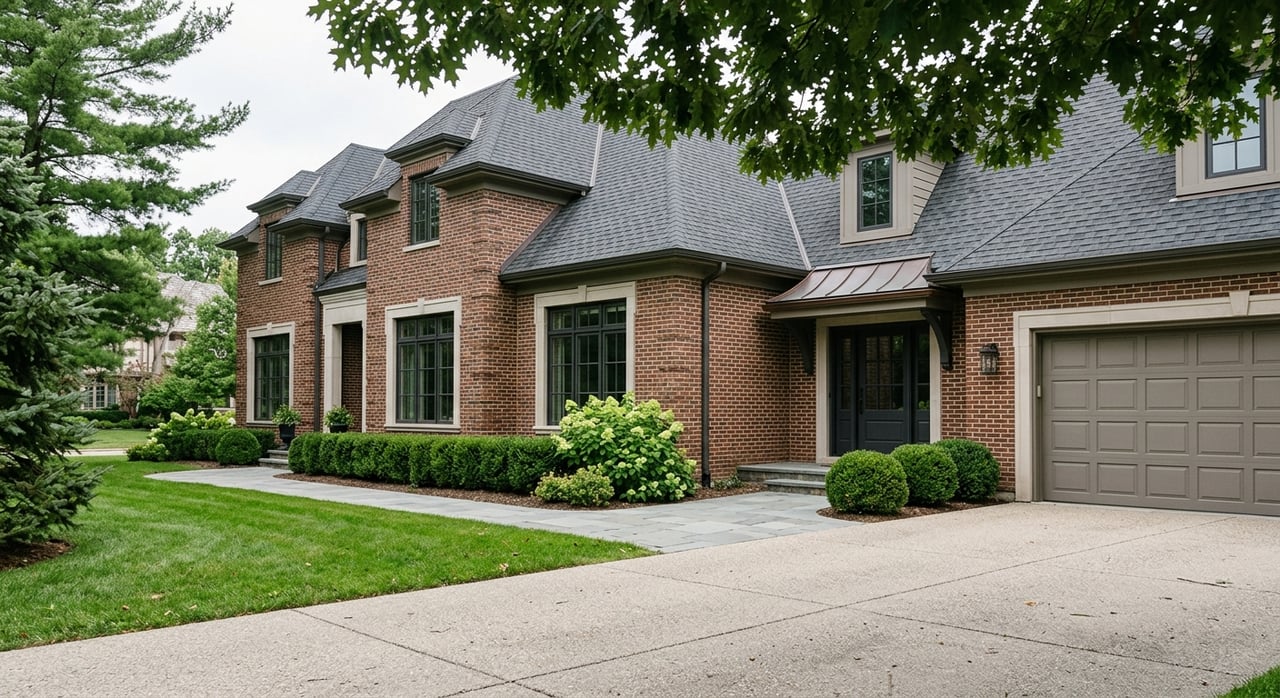
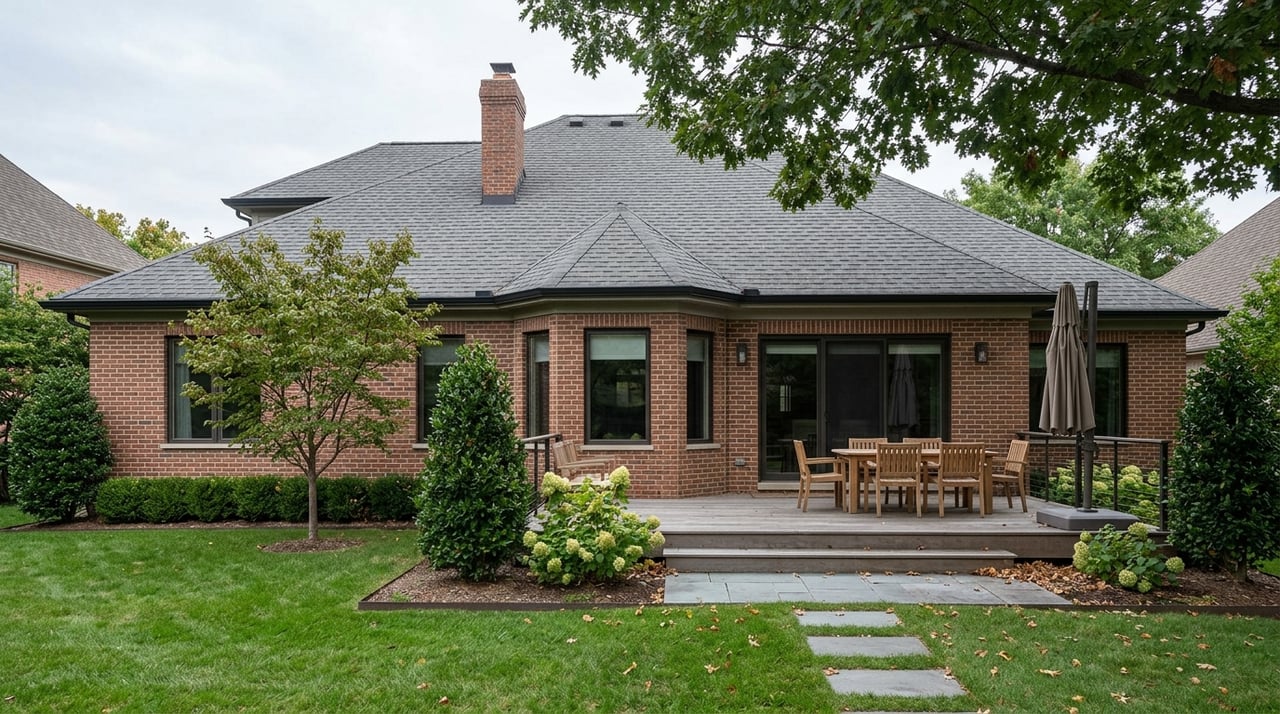
With a single-family home, you typically own the house and the land directly. That usually gives you the most control over the property and the fewest shared governance issues.
It also means you are responsible for the full range of upkeep and repairs. That includes routine maintenance, utilities, property taxes, homeowner’s insurance, and larger projects that can come up over time, such as roofing, windows, plumbing, or heating and cooling work.
Condos
A condo gives you direct ownership of your individual unit along with an undivided interest in the common areas. Those shared areas can include things like hallways, building systems, and exterior spaces maintained at the building level.
As a condo owner, you generally pay your own real estate taxes and also pay common charges. Those charges help cover the costs of maintaining and operating the common areas and building systems.
Co-ops
A co-op works differently. Instead of owning real property directly, you buy shares in a corporation, and those shares are tied to a proprietary lease for a specific apartment.
Co-op owners usually pay maintenance charges based on their share allocation. Those maintenance fees often cover building operating expenses, property taxes, and in some cases an underlying building mortgage. Co-ops are also governed by a board of directors and the proprietary lease, which helps define repair responsibilities and building rules.
Monthly Costs Matter More Than Price Alone
In Rockville Centre, fee structure can matter just as much as sticker price. QuickFacts reports median selected monthly owner costs of more than $4,000 with a mortgage and more than $1,500 without a mortgage. That is why comparing listings by purchase price alone can be misleading.
Two homes with similar asking prices may have very different monthly costs depending on whether you are looking at a house, condo, or co-op. A smart comparison looks at the full carrying cost, not just the sale price.
What You Are Likely Paying For
- House: mortgage principal and interest, property taxes, homeowner’s insurance, utilities, and maintenance
- Condo: mortgage, property taxes, common charges, and insurance
- Co-op: mortgage plus maintenance, with maintenance often already including property taxes and sometimes an underlying building mortgage
This is one of the biggest reasons buyers in Rockville Centre need to slow down and read the numbers carefully. A lower purchase price does not always mean a lower monthly payment.
Lifestyle Trade-Offs to Consider
Why Buyers Choose a House
A single-family home often makes sense if space, privacy, and control are high on your list. If you want more freedom over how you use and maintain your property, a house may feel like the best fit.
That said, more control usually means more responsibility. You will likely be the one planning for repairs, seasonal maintenance, and future capital projects.
Why Buyers Choose a Condo
A condo can appeal to buyers who want a more direct form of ownership than a co-op but prefer less exterior maintenance than a house. You own your unit directly, and building-level maintenance is shared through common charges.
For many buyers, that can create a nice middle ground. You still need to understand what the common charges cover and whether major building projects may affect future costs.
Why Buyers Choose a Co-op
A co-op can work well for buyers who are comfortable with a more structured building environment. Because the board and proprietary lease play a larger role, co-op living often comes with more oversight and more building-specific rules.
For some buyers, that structure feels manageable and worth it in exchange for a more maintenance-oriented setup. For others, the additional paperwork and board involvement may feel like too much.
Questions to Ask Before You Decide
The best choice usually becomes clearer when you ask practical questions early. In Rockville Centre, these questions can help you compare options more realistically.
For Any Property Type
- What will the full monthly payment look like after taxes, insurance, maintenance or common charges, and any building-level costs?
- Does the commute work for your routine, especially if you plan to use Rockville Centre station on the Babylon Branch?
For a House
- What is the condition of the roof?
- How old are the windows, plumbing, electrical, and heating and cooling systems?
- What maintenance should you expect in the near term?
For a Condo
- What do the common charges cover?
- Are there any major projects coming up for the building?
- What costs are still your responsibility inside the unit?
For a Co-op
- What repairs are the shareholder’s responsibility versus the corporation’s responsibility?
- What do the maintenance charges include?
- What building rules should you understand before moving forward?
Why Transit Still Shapes the Decision
Rockville Centre’s transit access remains part of its appeal. The current Babylon Branch timetable includes service from Rockville Centre toward Penn Station, Grand Central, Brooklyn, and Jamaica.
If you commute regularly, that access can influence which property type feels most practical. Some buyers may prioritize a lower-maintenance condo or co-op near their daily routine, while others may decide the extra space of a house is worth the trade-off.
Reading the Fine Print in New York
In New York, co-op and condo sales are made pursuant to offering plans reviewed by the Attorney General’s Real Estate Finance Bureau. The Attorney General recommends reading the full offering plan, reviewing board meeting minutes and financial information, and consulting an attorney before signing a purchase agreement.
The same guidance also highlights the importance of looking closely at the condition of major building components, including the roof, facade, windows, heating and cooling systems, plumbing, and electrical work. Whether you are buying a condo or co-op, details like these can affect both your comfort and your future costs.
Which Option Fits You Best?
If you want the most control, the most privacy, and are comfortable handling maintenance, a single-family home may be your best fit. That is often especially true for move-up buyers who need more room and want flexibility over the long term.
If you want direct unit ownership with shared responsibility for the building, a condo may offer the balance you are looking for. It can be a practical option if you value simpler exterior upkeep without giving up individual ownership.
If you are comfortable with board oversight and want a structure where maintenance often includes major shared costs, a co-op may be worth considering. For first-time buyers and some downsizers, that can be an appealing path, as long as the rules, finances, and monthly costs make sense for your goals.
There is no one-size-fits-all answer in Rockville Centre. The right move depends on how you live, how you budget, and how much flexibility or structure you want in your next home.
If you are weighing your options in Rockville Centre or nearby South Shore communities, Theresa Brown can help you compare homes, condos, and co-ops with a practical, local perspective so you can move forward with confidence.
FAQs
What is the main difference between a house, condo, and co-op in Rockville Centre?
- A house usually means you own the home and land directly, a condo means you own your unit plus a shared interest in common areas, and a co-op means you own shares in a corporation tied to a proprietary lease for a specific apartment.
How should you compare monthly housing costs in Rockville Centre?
- You should compare the full monthly carrying cost, including mortgage, taxes, insurance, maintenance, common charges, utilities, and any building-related costs, because similar purchase prices can lead to very different monthly payments.
Why do co-op rules matter when buying in Rockville Centre?
- Co-ops are governed by a board of directors and a proprietary lease, so the rules and repair responsibilities can affect your day-to-day experience and ownership costs.
Are single-family homes the most common housing type in Rockville Centre?
- Yes. Census data shows detached single-unit homes are the largest share of the local housing stock, which is one reason buyers may find more house options than condo or co-op options.
Does transit access affect where you should buy in Rockville Centre?
- It can. Rockville Centre station is on the Babylon Branch with service toward Penn Station, Grand Central, Brooklyn, and Jamaica, so your commute may influence whether a house, condo, or co-op feels like the best fit.